
Semaglutide Research: Exploring GLP-1 Receptor Activation in Metabolic Science
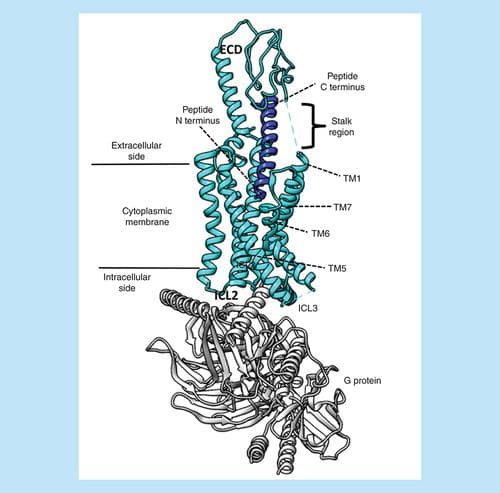
Understanding Semaglutide Research
Semaglutide is a long-acting glucagon-like peptide-1 (GLP-1) receptor agonist widely investigated in metabolic research. Its molecular structure and receptor activity have made it an important compound for studying incretin-based signaling pathways.
Its research mechanism involves:
- GLP-1 receptor activation: Stimulates glucose-dependent insulin secretion and supports investigations into pancreatic hormone regulation.
- Metabolic signaling modulation: Researchers study its effects on pathways related to glucose metabolism and energy balance.
- Peptide optimization studies: Semaglutide provides valuable insights into peptide modification, stability, and long-acting activity.
Research Significance
Recent studies have expanded understanding of GLP-1 receptor biology and peptide-based approaches in metabolic research. Semaglutide continues to serve as an important reference compound for investigating receptor interaction, pharmacological properties, and peptide engineering strategies.
Research Applications
At verifiedpeptides, we supply high-purity (>99%) research peptides with comprehensive analytical documentation. Each batch is tested to support laboratory research requiring reliable quality verification and consistent material characterization.